What Are Clear Self Ligating Braces?
Clear Self Ligating Braces are orthodontic brackets designed with a built-in door or clip. This mechanism holds the archwire without traditional elastic ties. The result is a cleaner-looking appliance with fewer visible components. Small details matter. A sliding clip sits directly over each wire.
The American Association of Orthodontists reports that nearly four million people receive orthodontic treatment in the United States. About one in four patients is an adult. This growing demand has increased interest in less noticeable treatment options, including ceramic Clear Self Ligating Braces. They may appeal to professionals, students, and patients who prefer a softer appearance during daily conversations. However, appearance is only one part of treatment planning.
Claims about faster treatment deserve careful review. Systematic reviews published in orthodontic research have not consistently shown major reductions in total treatment time or discomfort compared with conventional brackets. Some studies report easier wire changes or fewer appointments, while others find limited clinical differences. The evidence is not perfectly uniform.
That matters.
A qualified orthodontist must evaluate crowding, bite relationships, enamel condition, bone support, and cleaning habits before recommending any bracket system. Clear materials can also stain or fracture more easily than metal, depending on the product and patient behavior. Brushing around the small clips requires patience. In practice, successful treatment depends on diagnosis, clinician experience, cooperation, and regular monitoring—not the bracket alone. This article explains how Clear Self Ligating Braces work, what current evidence supports, and where marketing promises should be questioned.
What Are Clear Self-Ligating Braces?
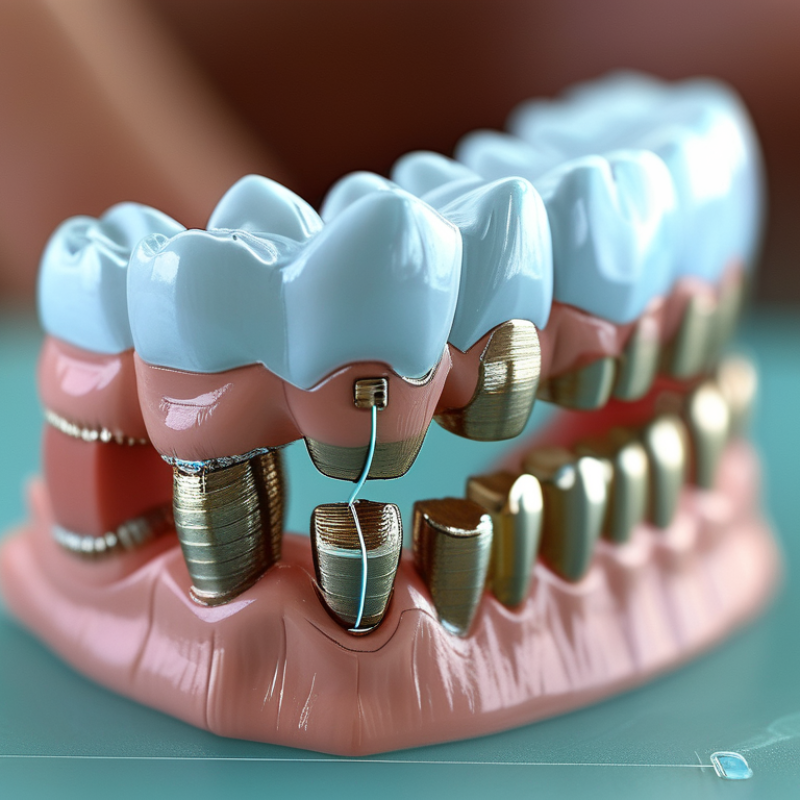
Clear self-ligating braces are orthodontic appliances designed to move teeth gradually. They use tooth-colored or transparent brackets with small built-in clips. These clips hold the archwire without separate elastic ties. The result can look less noticeable than traditional metal braces, especially in photographs and everyday conversations.
They are not invisible, though. That distinction matters.
During treatment, an orthodontist adjusts the wire as teeth respond. Clear ceramic materials may suit adults and teenagers seeking a subtler appearance. However, they can be more fragile than metal brackets. Hard foods, sticky sweets, and careless brushing may damage them.
Daily cleaning requires patience, particularly around the clips and gumline. A small mirror helps reveal missed areas.
The clips may make appointments feel simpler, but they do not automatically shorten treatment. Tooth movement depends on bone response, bite complexity, age, and consistent wear instructions.
Research does not support treating every self-ligating system as faster or better. That is easy to overstate.
An orthodontist should examine dental health, jaw alignment, and treatment goals before recommending this option. Patients should also ask about replacement costs if a bracket breaks, because repairs can affect both comfort and progress.
How Clear Self-Ligating Braces Work
Clear self-ligating braces use transparent or tooth-coloured brackets with a built-in sliding clip. The clip holds the archwire without separate elastic ligatures. It opens during wire changes and closes around the wire afterward. This creates a small mechanical pathway for the wire to move through. The wire then applies controlled pressure to guide teeth along the planned arch shape. Different wire sizes and materials are used during treatment. Early wires are usually lighter and more flexible. Later wires help refine tooth position, rotation, and bite contact.
The mechanism sounds simple. Clinical outcomes are less predictable. A Cochrane review on self-ligating and conventional fixed appliances found insufficient evidence of a consistent, clinically important treatment-time advantage. A meta-analysis published in the European Journal of Orthodontics also reported no reliable superiority for major treatment outcomes. The clip may make cleaning and wire changes feel easier, but it cannot replace careful diagnosis. Tooth movement still depends on bone response, anchorage, wire selection, and patient attendance. The bracket does not move teeth independently.
In practice, clear materials can show staining around the edges, especially when oral hygiene is poor. Small detail. The clip may also feel tight when closing. Orthodontic records, including photographs, radiographs, and digital scans, help clinicians adjust force safely. Treatment plans should be reviewed regularly, because real teeth rarely follow a perfect computer simulation.
Key Components and Treatment Process
Clear self-ligating braces use small tooth-colored brackets with built-in clips. These clips hold the archwire without separate elastic ties. The system also includes dental adhesive, archwires, and occasional elastic auxiliaries. Each part has a specific job.
Treatment begins with an orthodontic examination, photographs, X-rays, and digital scans. The clinician checks bite balance, jaw growth, gum health, and available space. A customized plan follows. During bonding, each bracket is positioned carefully on the tooth surface. A curing light hardens the adhesive. The first wire usually applies gentle pressure, while later wires guide more precise movements.
Appointments often occur every six to ten weeks. The orthodontist may replace the wire, adjust the clips, or add small springs. Patients should brush around every bracket and use interdental brushes. Clear materials can show staining from coffee, tea, or tobacco. They can also chip under strong biting forces. Not every patient receives the same schedule.
The process is not perfectly uniform. Some teeth move quickly, while others respond slowly. Missed appointments, poor cleaning, or broken components may extend treatment. In practice, comfort also varies during the first few days after an adjustment. Soft foods and orthodontic wax can help, but persistent pain needs professional review. After removal, retainers help protect the new tooth positions. Without regular retainer use, teeth may gradually shift.
Benefits and Limitations of Clear Self-Ligating Braces
What Are Clear Self-Ligating Braces?
Benefits and Limitations of Clear Self-Ligating Braces
Clear self-ligating braces use ceramic brackets with built-in clips. These clips hold the archwire without small elastic ties. The brackets blend with the tooth surface. They may look less noticeable during meetings, photographs, and daily conversations. Some patients also find cleaning simpler around the brackets. There are fewer elastic areas where plaque can collect.
The design may reduce chairside time during wire changes. However, it does not guarantee faster treatment. Research has not consistently shown major improvements in total treatment time. Tooth movement still depends on bone response, bite complexity, wearing instructions, and clinical planning. Mild pressure is common after adjustments. A soft meal can help that evening.
Clear brackets have practical limits. Ceramic material can be more brittle than metal. A hard snack or accidental impact may damage a bracket. The clip can also make repairs more involved. Clear components resist discoloration, but surrounding adhesives and food debris may still become visible. Careful brushing, interdental cleaning, and regular checkups remain essential.
They can cost more.
Treatment suitability varies greatly. Crowded teeth, deep bites, or jaw discrepancies may require additional appliances. A qualified orthodontic assessment should examine X-rays, gum health, bite function, and cleaning habits. Aesthetic braces seem simple, but appearance is only one part of a safe plan. Patients sometimes expect invisible treatment and feel disappointed when attachments or wires remain noticeable. That expectation deserves an honest discussion before treatment begins.
Care Requirements and Suitability for Patients
Clear self-ligating braces use transparent or tooth-colored brackets with built-in clips. These clips hold the archwire without separate elastic ties. The appearance is less noticeable, but the system is not maintenance-free.
Daily care determines much of the result. Brush around each bracket after meals, especially near the gumline. A small interdental brush can remove food beneath the wire. Fluoride toothpaste is usually recommended, unless your dentist advises otherwise. Sticky sweets, hard nuts, ice, and uncut raw vegetables may damage brackets. Rinsing with water helps when brushing is impossible. It is not a replacement for brushing.
Regular orthodontic appointments remain necessary. The clinician checks tooth movement, gum health, and broken components. Patients should report persistent pain, swelling, loose brackets, or a sharp wire promptly. Mild pressure after adjustments is common, but severe or lasting pain deserves attention. Clear braces may suit teenagers and adults who want a subtler appearance and can follow detailed cleaning instructions. They may be unsuitable for people with untreated gum disease, poor plaque control, significant enamel damage, or unrealistic expectations. Complex bite problems can still require additional appliances or different treatment methods. “Self-ligating” sounds simple, yet treatment still depends on biology, attendance, and cooperation. The material may stain less than elastic ties, but surrounding teeth can discolor if hygiene is inconsistent. An orthodontic examination is essential before choosing this option.
| Category | Evidence-Based Information | Practical Consideration |
|---|---|---|
| Definition | Clear self-ligating braces are fixed orthodontic appliances that use tooth-coloured or transparent brackets with built-in clips or doors to hold the archwire. | They do not normally require small elastic ligatures to secure the wire. |
| Appearance | The ceramic or clear bracket material is less noticeable than traditional metal brackets, although the archwire and other components may still be visible. | Clear brackets improve visual discretion but are not completely invisible. |
| How They Move Teeth | Brackets and archwires apply controlled forces to gradually guide teeth into improved positions. | Tooth movement depends on the treatment plan, biology, appliance design, and patient cooperation—not on the bracket colour alone. |
| Self-Ligating Mechanism | The built-in clip or sliding door helps retain the archwire and can make wire changes more straightforward during appointments. | Self-ligating braces are not proven to produce faster overall treatment or consistently less discomfort for every patient. |
| Typical Treatment Length | Treatment commonly lasts approximately 18–30 months, but the actual duration varies substantially between patients. | Complex tooth movements, missed appointments, broken brackets, and poor oral hygiene can extend treatment. |
| Appointment Pattern | Orthodontic reviews are often arranged about every 6–10 weeks, depending on the stage of treatment and the clinician’s protocol. | Regular visits are needed to monitor tooth movement, replace or adjust wires, and check the brackets and gums. |
| Daily Brushing | Brush at least twice daily with fluoride toothpaste, cleaning above, around, and below each bracket. | A small orthodontic or single-tuft brush can help reach areas that a standard toothbrush may miss. |
| Interdental Cleaning | Clean between teeth and under the archwire every day using interdental brushes, floss threaders, or another recommended device. | Daily interdental cleaning helps reduce plaque accumulation, gum inflammation, and decalcified white marks. |
| Dietary Care | Limit hard, crunchy, sticky, and chewy foods that may damage brackets or dislodge the archwire. | Cut firm foods into small pieces and avoid biting directly into hard foods such as ice or hard sweets. |
| Staining Risk | Ceramic brackets are generally resistant to staining, but plaque, food debris, and some associated elastic components may become discoloured. | Good brushing and limiting frequent staining drinks can help maintain a cleaner appearance. |
| Comfort | Pressure, tenderness, or mild irritation is common for a few days after fitting or adjustment. | Soft foods, orthodontic wax, and ordinary pain-relief measures recommended by a healthcare professional may help. |
| Oral Health Risks | Fixed braces can increase plaque-retention areas and the risk of tooth decay, gum inflammation, and permanent white-spot lesions if cleaning is inadequate. | Fluoride use, professional dental care, and careful daily hygiene are essential throughout treatment. |
| Possible Repairs | Clear brackets can chip or fracture, and any bracket or wire may loosen or break during treatment. | Contact the orthodontic practice promptly if a component becomes loose, sharp, or uncomfortable. |
| Suitable Patients | They may be suitable for teenagers and adults who need fixed orthodontic treatment and prefer a less noticeable appearance. | Suitability depends on tooth position, bite relationship, jaw growth, oral health, treatment goals, and the clinician’s assessment. |
| Patients Requiring Caution | Extra assessment may be needed for patients with poor plaque control, active tooth decay, gum disease, severe enamel wear, or a high risk of bracket damage. | Oral disease should generally be controlled before fixed orthodontic treatment begins. |
| After Treatment | Teeth can shift after braces are removed because the tissues and supporting structures need time to adapt. | Retainers are usually required to maintain the result, according to the orthodontist’s instructions. |
| Overall Suitability | Individual assessment required | A dental or orthodontic examination is necessary to confirm whether clear self-ligating braces are appropriate for a specific patient. |
Article Source:
Ready to talk about water treatment?
Contact us
Please complete this form and we will be in touch