Top 10 Water Technologies for Sustainable Solutions?
Water scarcity is a growing concern worldwide. According to the United Nations, nearly 2 billion people lack access to safe drinking water. This pressing issue calls for innovative and sustainable solutions. The field of water technologies is evolving rapidly to address these challenges. Experts like Dr. Maria Gonzalez state, "The future of our water systems relies on integrating advanced technologies with local practices."
Various advancements, such as desalination and greywater recycling, offer hope. The Global Water Technologies Market is projected to reach $830 billion by 2025, highlighting the industry's potential. However, the transition to these technologies is not without obstacles. Some communities face high costs and lack technical expertise.
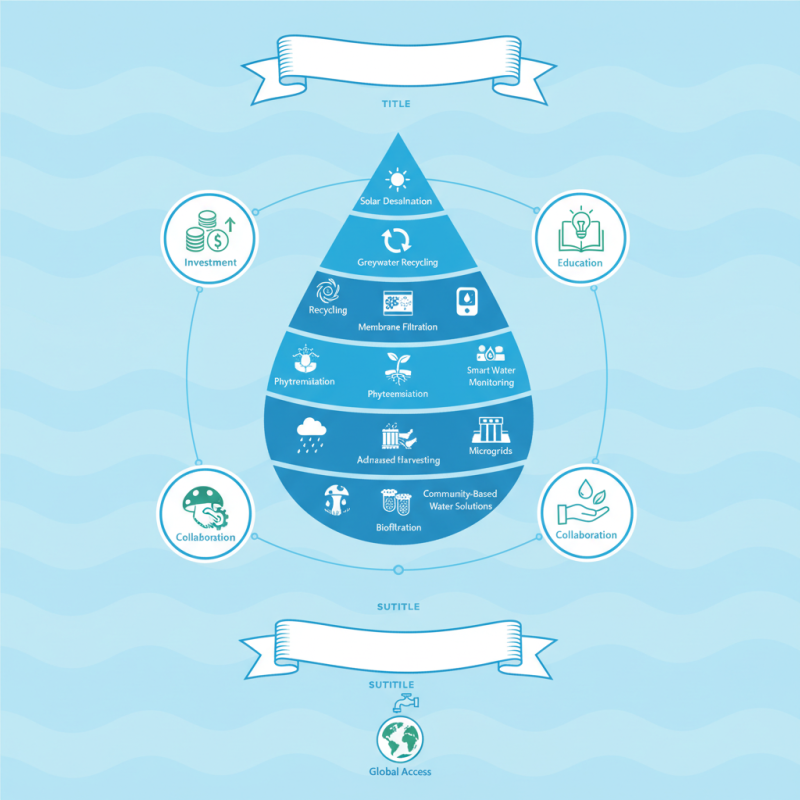
Reflecting on these challenges, investment and education are crucial. Sustainable practices in water management can succeed only if we recognize both the potential and the pitfalls of water technologies. Collaboration among stakeholders is essential to ensure equitable access to these resources. We must prioritize innovations that balance efficiency and sustainability.
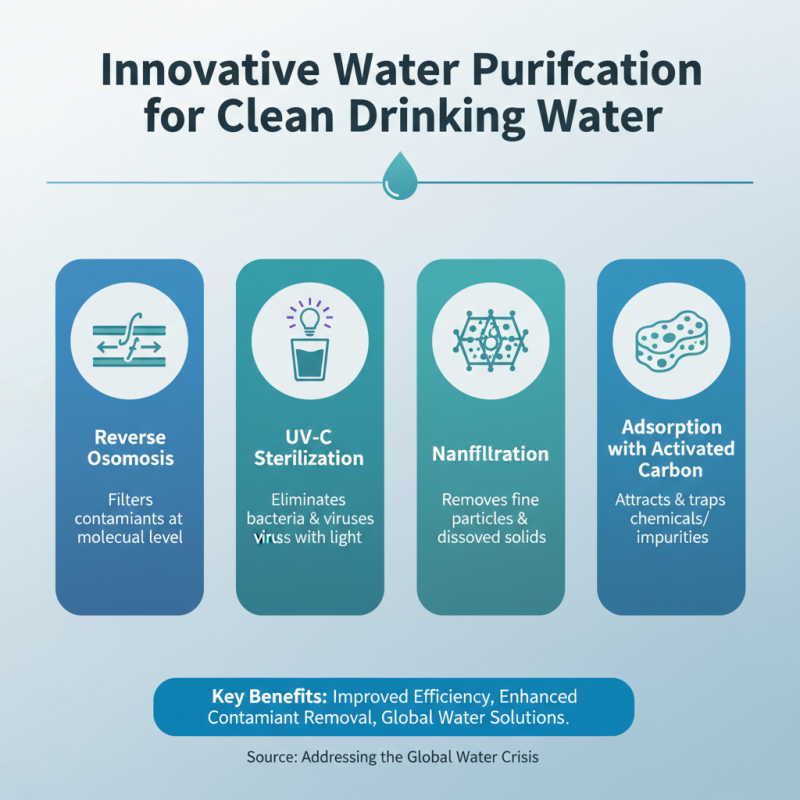
Innovative Water Purification Methods for Clean Drinking Water
Access to clean drinking water is vital. Innovative water purification methods are emerging to address the global water crisis. Traditional filtration systems often fail to eliminate all contaminants. Newer techniques aim to improve efficiency and effectiveness.
Membrane filtration is one such method. It uses semi-permeable membranes to separate impurities from water. It can remove bacteria, viruses, and heavy metals. However, not all membranes are equal. Some may degrade over time, leading to potential leaks.
Solar water disinfection is another promising approach. This method uses sunlight to purify water. By exposing water in clear containers to sunlight for six hours, harmful pathogens can be effectively killed. Yet, its effectiveness can vary based on weather conditions. Communities in sunny regions may thrive, while others might struggle to achieve the same results.
Overall, while these technologies show promise, their implementation can be challenging. There is still much work to be done to ensure every individual has access to safe and clean drinking water.
Advanced Irrigation Systems to Enhance Agricultural Sustainability
Advanced irrigation systems play a vital role in promoting agricultural sustainability. These innovative technologies help farmers manage water resources more efficiently. According to the Food and Agriculture Organization (FAO), around 70% of global freshwater is used in agriculture. With increasing water scarcity, efficient irrigation can save up to 50% of water while maintaining crop yields.
Modern systems like drip irrigation and precision sprinklers deliver water directly to plant roots. This targeted approach reduces evaporation and runoff. Research indicates that drip irrigation can boost crop productivity by 20-90% compared to traditional methods. However, the high initial costs of installation can be a barrier for some farmers.
Tips: Consider integrating soil moisture sensors into your irrigation practices. These devices monitor soil conditions, ensuring water is applied only when needed. Regular maintenance of irrigation systems is crucial. Neglected systems can lead to leaks and inefficiencies, wasting precious water resources.
Investing in technology now can lead to sustainable farming practices in the long run. While advanced irrigation systems present opportunities, challenges remain. Farmers must weigh the benefits against costs and potential technical issues. Adapting to innovative practices requires education and support to maximize effectiveness.
Desalination Techniques for Addressing Freshwater Scarcity
The urgency of freshwater scarcity is alarming. Over two billion people lack reliable access to clean water, according to WHO data. Desalination technologies are emerging as a vital alternative. They convert seawater into potable water, offering hope for communities facing severe shortages.
Reverse osmosis, a leading desalination technique, accounts for over 60% of the global desalination capacity. This innovative process uses semi-permeable membranes to separate salt from water. While effective, it requires significant energy, often derived from fossil fuels. This raises questions about sustainability and environmental impact. Reports indicate that transitioning to renewable energy sources for powering these plants can mitigate some ecological concerns.
Despite advancements, desalination presents challenges. It generates brine, a concentrated salt waste that can harm marine ecosystems. The cost remains prohibitive for many developing regions. In areas with limited infrastructure, implementing such technologies may not be feasible. As the global population grows, the quest for sustainable desalination solutions must intensify. Innovations and research focus on minimizing energy consumption and reducing environmental footprints. Addressing these issues is crucial for realizing the potential of desalination as a long-term solution.
Rainwater Harvesting Solutions for Urban Water Management
Rainwater harvesting is a crucial approach to urban water management. It captures and utilizes rainwater, reducing dependence on conventional water sources. Cities face increasing water scarcity due to population growth and climate change. Implementing rainwater systems can help alleviate this pressure.
Roof catchment is one effective method. This system collects rainwater from rooftops. Once collected, it filters the water for various uses. Simple filtration systems can be installed to ensure the water is clean. These systems can significantly decrease stormwater runoff, which often causes flooding in urban areas.
However, challenges remain. Not all buildings are suited for rooftop harvesting. Some areas receive less rainfall, making systems less effective. There is also the need for maintenance to ensure quality and efficiency. Community engagement is essential to encourage participation in these technologies. Education about their benefits can foster more widespread adoption.