Top 10 Compact Wheel Loader Features You Need to Know?
The Compact Wheel Loader is revolutionizing the construction and landscaping industries. According to a recent report by Grand View Research, the global market for compact construction equipment is expected to reach $25 billion by 2026, reflecting a growing demand for versatile small machinery. The Compact Wheel Loader stands out among its competitors due to its unique features, allowing operators to tackle various tasks efficiently in confined spaces.
These loaders offer remarkable mobility and can handle different attachments, making them invaluable on job sites. Key aspects, such as lifting capacity and stability, are vital when considering which model to choose. In fact, some latest models provide an impressive lift capacity of over 2,500 pounds, catering to the needs of diverse projects. However, not every Compact Wheel Loader is created equal. It is essential to evaluate specific characteristics to ensure optimal performance for your requirements.
Investing in the right Compact Wheel Loader can significantly enhance productivity. Yet, prospective buyers must also be aware of maintenance costs and operator training needs. Understanding the features and limitations of these machines can help prevent costly mistakes and boost overall job efficiency.
Key Specifications of Compact Wheel Loaders
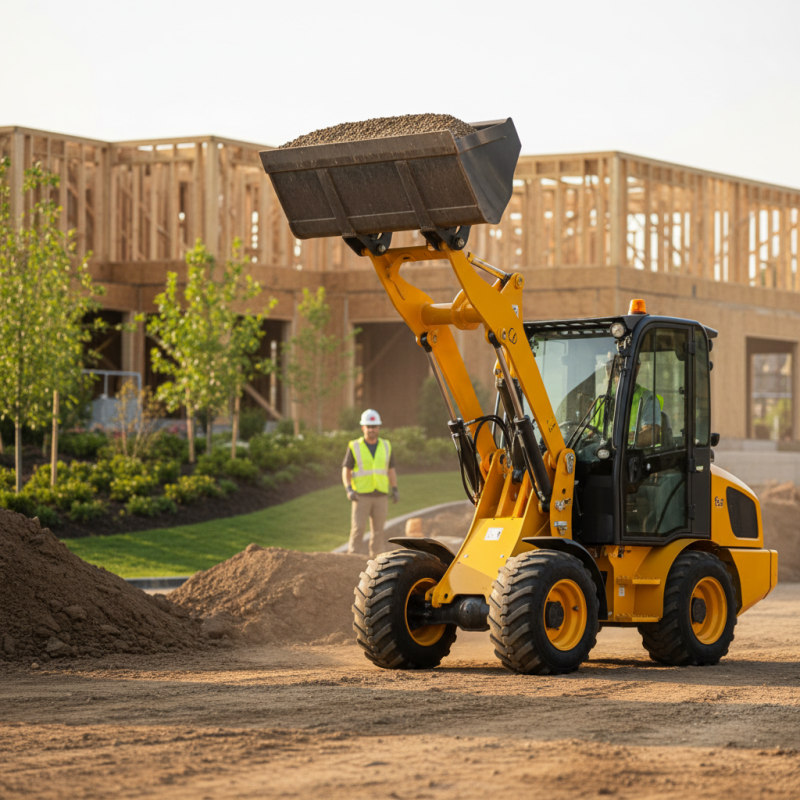
Compact wheel loaders are essential for various projects. Understanding their key specifications can enhance efficiency and productivity. These machines typically weigh between 5,000 and 15,000 pounds. Their lift capacities range from 1,000 to 5,000 pounds. This weight-to-capacity ratio is critical for maneuverability in tight spaces.
The engine power of compact wheel loaders often falls between 50 to 100 horsepower. This level of power enables operators to tackle a range of tasks, from lifting heavy materials to digging and grading. According to industry reports, fuel efficiency is a significant concern. Many models now feature advanced fuel-saving technologies, which can reduce consumption by up to 30%. However, not all loaders achieve these efficiencies equally.
Another notable specification is the bucket capacity, often ranging from 0.5 to 1.5 cubic yards. This can significantly affect how much material is moved at once. Operators should consider their specific needs carefully. A loader with a smaller bucket capacity may require more trips, increasing labor time. Meanwhile, larger buckets may not fit in tighter job sites. Understanding these specifications is crucial for selecting the right machine for your project’s needs.
Top 10 Compact Wheel Loader Features You Need to Know
| Feature | Specification |
| Operating Weight | 3,000 - 5,500 lbs |
| Engine Power | 40 - 80 hp |
| Bucket Capacity | 0.5 - 1.5 cubic yards |
| Turning Radius | 4.5 - 7.0 ft |
| Hydraulic Flow Rate | 10 - 25 gpm |
| Maximum Lift Height | 8 - 12 ft |
| Travel Speed | 6 - 12 mph |
| Fuel Tank Capacity | 5 - 15 gallons |
| Tipping Load | 2,000 - 3,500 lbs |
| Features | Joystick Control, Compact Design, Excellent Visibility |
Benefits of Compact Size in Wheel Loaders
Compact wheel loaders offer unique benefits that make them valuable in various applications. Their smaller size allows for better maneuverability in tight spaces. This is particularly helpful on construction sites or urban environments where every square foot matters. Operators can navigate through narrow pathways and congested areas with ease, enhancing workflow efficiency.
Another advantage of compact wheel loaders is their weight. Lighter machines exert less pressure on the ground, minimizing soil disturbance. This feature is essential for landscaping or delicate earth-moving tasks. However, this weight can also be a drawback. Lighter machines may struggle with heavy materials, which can lead to performance issues.
Compact size also contributes to fuel efficiency. Smaller engines usually consume less fuel, which reduces operating costs. Yet, fuel savings can come at a price, as smaller loaders might lack the power for more demanding tasks. Operators should consider these trade-offs carefully. Understanding both the strengths and limitations of compact wheel loaders can lead to smarter decisions in equipment selection.
Essential Features for Enhanced Operator Comfort
When considering compact wheel loaders, operator comfort is paramount. Enhanced seating options can significantly reduce fatigue. Studies show that ergonomic seats can improve productivity by up to 15%. An adjustable seat allows operators to find their best position. This simple feature can make long hours easier.
Climate control is another crucial aspect. A well-ventilated cabin maintains comfort in varying weather conditions. Reports indicate that cab efficiency can affect operator performance. Operators in comfortable environments work more effectively and experience less stress.
Tips: Always check the visibility from the cab. Clear sightlines reduce the risk of accidents. Furthermore, consider models with low noise levels. A quieter cabin contributes to a serene work atmosphere.
Some designs may look appealing but lack practical comfort features. Operators should reflect on their actual needs over aesthetics. Comfort cannot be an afterthought; it plays a vital role in daily operation. Pay attention to controls; intuitive layouts can minimize hand strain. Overall, a well-designed compact wheel loader can transform the work experience.
Top 10 Compact Wheel Loader Features for Enhanced Operator Comfort
Safety Innovations in Modern Compact Wheel Loaders
Safety is paramount in modern compact wheel loaders. These machines are designed with various innovations that enhance operator and site safety. One example is the advanced visibility features. Larger windows and strategically placed mirrors help operators see their surroundings clearly. This reduces the risk of accidents on job sites, especially in crowded environments.
Another notable safety feature is the improved stability control systems. These systems help prevent tipping during operation. Sensors monitor the machine’s position and provide alerts to operators if they exceed safe angles. However, operators must remain vigilant. Dependence on technology can lead to complacency.
Furthermore, many compact wheel loaders now have reinforced cages and better seat belt designs. These enhancements provide extra protection in case of a rollover. Yet, despite these innovations, nothing can replace the need for proper training. Operators should understand all features to use the machine safely and effectively. Safety is a shared responsibility. Operators and designers must work together to continue improving safety standards.
Technological Advancements in Compact Wheel Loader Performance
Compact wheel loaders have evolved significantly over recent years, driven by technological advancements. Enhanced hydraulic systems enable operators to lift heavier loads with greater precision. This improvement boosts efficiency, especially in confined spaces. Operators appreciate the faster cycle times and responsive controls. These features can reduce fatigue and increase overall productivity.
Fuel efficiency has also become a focal point. Many compact wheel loaders now come equipped with advanced engine technology. Operators can navigate tighter work sites without sacrificing power. However, some users note that newer machines can be complex to operate. A learning curve exists, especially for those transitioning from traditional models. Understanding advanced control systems may take time.
Additionally, safety features are paramount in modern designs. Sensors and cameras help operators avoid obstacles. Yet, reliance on technology may lead to complacency. Some operators still prefer traditional methods to maintain situational awareness. Balancing technology with instinct remains a challenge in the industry. The future of compact wheel loaders will continue adapting, enhancing productivity while addressing these concerns.