Why is Water Analysis Test Essential for Safe Drinking Water?
Access to safe drinking water is a fundamental human right. Yet, billions of people worldwide lack this essential resource. A water analysis test is crucial in identifying contaminants that can harm health. Reports indicate that 2 billion people consume water contaminated with feces, leading to severe diseases. The World Health Organization emphasizes the need for regular water testing to ensure safety.
Water sources can be tainted by industrial runoff, agricultural chemicals, and pathogens. Data from the EPA shows that about 19 million people drink water that exceeds safety limits. A thorough water analysis test helps detect these hazards. It provides insights into water quality and safety, ensuring community well-being.
Yet, many neglect this vital process. Some assume water is safe without testing. This can lead to health risks, especially in vulnerable populations. In urban areas, aging infrastructure can compromise water quality. Awareness and regular testing are essential for prevention and public health protection.

Importance of Safe Drinking Water for Public Health
Access to safe drinking water is vital for public health. According to the World Health Organization, 2 billion people lack safe drinking water. Contaminated water leads to diseases like cholera and typhoid. Poor water quality affects millions. About 829,000 people die each year from diarrhea linked to unsafe drinking water.
Regular water analysis tests are crucial. These tests can detect harmful bacteria, parasites, and chemicals in water. For instance, in a 2020 report, over 60% of water sources in rural areas showed significant contamination. Communities often underestimate the risks. They believe all water is safe, but reality proves otherwise.
Inadequate testing exposes people to severe health issues. Long-term exposure to contaminated water can lead to neurological disorders and chronic illnesses. Governments and organizations must prioritize water testing. Awareness campaigns can educate communities about the importance of safe water. This knowledge is essential to safeguard public health and reduce waterborne diseases.
Why is Water Analysis Test Essential for Safe Drinking Water?
| Parameter |
Standard Limit (mg/L) |
Health Effects |
Testing Frequency |
| Lead |
0.01 |
Neurological damage, especially in children |
Annually |
| Arsenic |
0.01 |
Cancer risk, skin lesions, developmental effects |
Annually |
| Nitrates |
10 |
Methemoglobinemia ('blue baby syndrome') |
Semi-annually |
| Chlorine |
4 |
Irritation of the respiratory system |
Quarterly |
| Fluoride |
4 |
Dental and skeletal fluorosis |
Annually |
Key Contaminants Detected in Water Analysis Tests
Water analysis tests play a crucial role in ensuring safe drinking water. They help identify key contaminants that can affect health. Common impurities include bacteria, heavy metals, and chemicals. Each of these can have serious consequences if ingested.
Bacteria, like E. coli, can lead to severe gastrointestinal issues. Heavy metals, such as lead and arsenic, are harmful even in small amounts. They can accumulate in the body over time, causing chronic health problems. Chemical contaminants, including pesticides and industrial runoff, often find their way into water sources, posing additional risks.
People often overlook the importance of regular testing. Many believe their water is safe without checking. This misconception can lead to prolonged exposure to harmful substances. It is vital to prioritize regular water testing to ensure safety. Without it, invisible dangers may persist in everyday drinking water. Routine analysis can empower individuals to make informed choices about their health.
Methods of Water Analysis: Techniques and Technologies
Water analysis is crucial for ensuring drinking water safety. Various methods and technologies help assess water quality. Regular testing can identify harmful contaminants, ensuring public health.
One common technique is colorimetric analysis. It uses color changes to indicate chemical concentrations. This method is simple and cost-effective. However, it may not detect all pollutants. Some contaminants remain undetected, requiring advanced approaches.
Another prevalent method is chromatography. This technique separates components in the water sample. It provides detailed insights into water composition. Yet, it demands specialized equipment and skilled operators. Those obstacles may limit access for smaller facilities. Addressing these challenges remains vital for widespread safety.
Regulatory Standards for Safe Drinking Water Quality
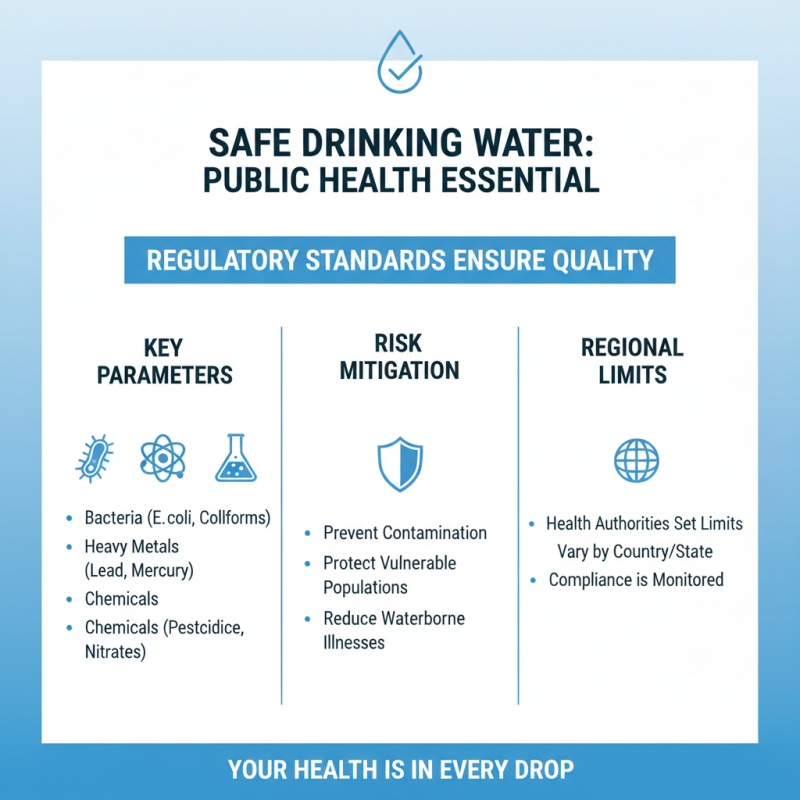
Safe drinking water is crucial for public health. Various regulatory standards exist to ensure water quality. These standards help mitigate risks like contamination. For example, parameters include levels of bacteria, heavy metals, and chemicals. Each region may have specific limits defined by health authorities.
Regular water analysis tests are vital for compliance with these regulations. A test can reveal hidden dangers in your water supply. It is not uncommon to find contaminants that exceed permissible levels. This affects everyone, particularly vulnerable groups like children and the elderly. In some cases, the results can be alarming.
Communities often underestimate the importance of proactive testing. Waiting for issues to arise can lead to severe health consequences. Effective water management requires ongoing attention. The process should involve routine testing and prompt action when standards are not met. Awareness can lead to better safeguards for our precious water resources.
Benefits of Regular Water Testing for Consumers and Communities
Water testing plays a crucial role in ensuring safe drinking water. Regular analysis helps identify contaminants that may pose health risks. Many consumers might overlook this vital step. However, the benefits of water testing for both individuals and communities are significant.
Testing water can uncover hidden dangers. For example, high levels of lead or bacteria can exist in tap water, often unnoticed. Communities benefit when public water systems are routinely tested. This helps prevent widespread health issues and associated costs. It’s not just a personal concern; it’s a communal responsibility.
Tips for effective water testing:
1. Test your water at least once a year, especially if you have older plumbing.
2. Know what contaminants you are testing for. Different regions may have different issues.
3. Don’t ignore your local water quality reports. They can provide useful insights.
Awareness is key. Many people still drink untested water out of convenience. This could lead to health issues over time. Developing a habit of regular water testing can help change this. It is a vital step toward a healthier life.
Importance of Water Quality Testing
Regular water testing is crucial to ensure safe drinking water. The chart above illustrates the percentage of water quality tests that fail to meet safety standards across various contaminants, highlighting the importance of consistent monitoring for consumers and communities.